
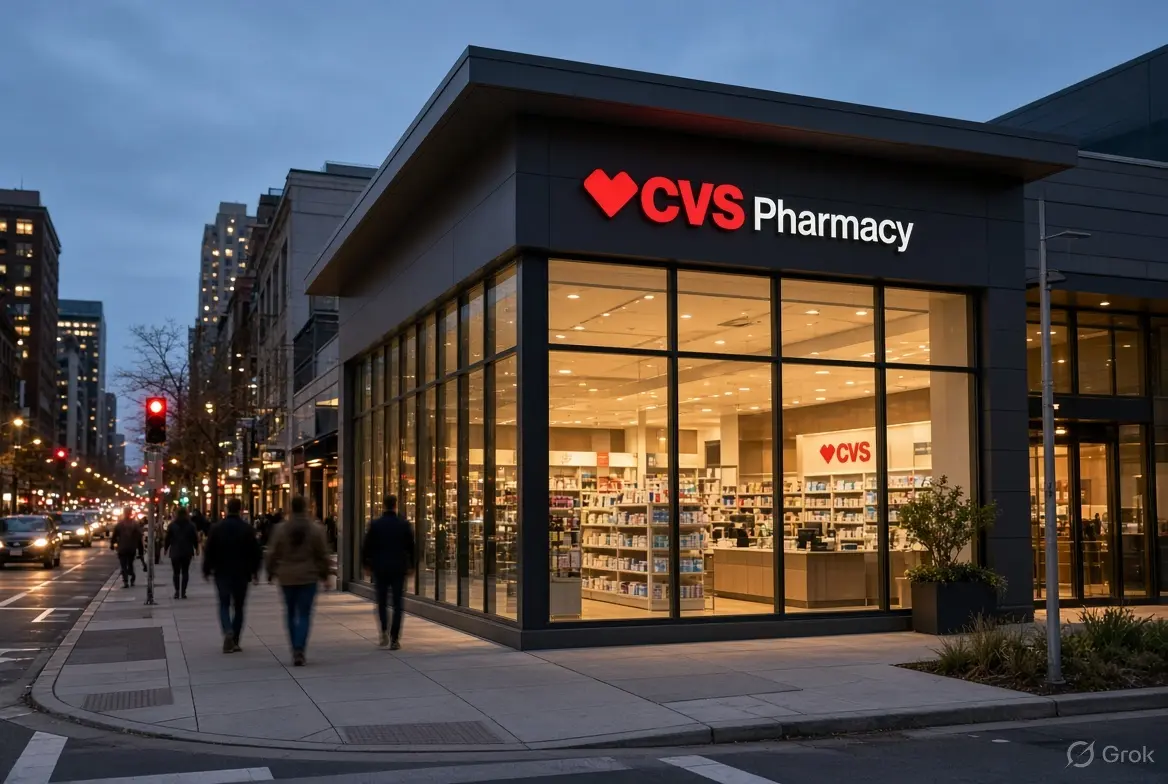

CVS Health splitting its operations marks a massive shift as one of the biggest names in American healthcare plans to break into two separate businesses. The company will keep the familiar CVS pharmacy retail stores on one side, while housing Aetna insurance and the Caremark pharmacy benefit business on the other. This news broke on November 3, 2026, and it has shocked a lot of people in the healthcare and investing world. Let’s break down why this is happening in plain and simple words.
What Is Actually Happening With CVS Health?
CVS Health is not just a drugstore chain anymore. Over the years, it grew into a giant company with three big parts working together:
- CVS Pharmacy – around 9,000 retail stores across the U.S. that fill prescriptions and sell everyday items
- Aetna – a major health insurance company CVS bought for $78 billion back in 2018
- Caremark – a pharmacy benefit manager (PBM) that negotiates drug prices for employers and insurance plans
CVS will separate its retail pharmacy business from its insurance and pharmacy benefits management offerings. Led by current CEO David Joyner, this split will occur sometime during the first half of 2028. Both businesses will continue to trade as separate companies with stock in each offered to current shareholders.
One business will retain the CVS Health brand name and will be spearheaded by current CEO David Joyner. The Aetna insurance and Caremark business will remain grouped together in the other newly formed company.
Why Is CVS Health Considering This Split?
This is the big question everyone is asking. There isn’t just one reason, there are several pressures pushing CVS toward this decision.
1. Regulators Are Watching PBMs Closely
Pharmaceutical benefit management companies (PBMs) are third parties that help negotiate price of drugs on behalf of employers and health plans. They sit between drug manufacturers, insurance companies and pharmacies. They have come under increasing pressure from legislators and regulators about how they affect the prescription drug market. Companies, such as CVS, who have an insurance company, benefit manager and pharmacy network, have been under particular scrutiny.
One of the main reasons for splitting up CVS has been due to this pressure. Earlier this summer the Federal Trade Commission reached a settlement with CVS whereby there are restrictions on how Caremark can work with other pharmacies.
2. CEO David Joyner Believes Splitting Is Better for Business
CEO David Joyner stated the businesses are best served by splitting, based on where the company stands and how it is performing. This shows the decision isn’t only about outside pressure. CVS leadership genuinely believes each business will do better running on its own.
3. Unlocking Shareholder Value
The split is meant to unlock shareholder value by letting each company focus only on what it does best. When a company gets too big and complicated, investors sometimes struggle to understand its true worth. By splitting into a pure pharmacy retailer and a focused insurance/PBM business, CVS hopes investors will value each piece more clearly.
4. It Reverses a Decade-Old Strategy
It is a major U-turn. The company has worked hard over the years to create an integrated healthcare model, with a huge $78bn buy on Aetna in 2018. The decision to break up the group means that many years of integration will be reversed. The move comes close to the anniversary of the Aetna deal. At the time, the plan was to offer a seamless healthcare service to customers by combining the pharmacy, insurance and drug benefit management services. However, it now appears that having an integrated model is hindering growth for CVS.
5. Financial Pressure and Investor Pushback
CVS has had a tough time recently. Their operating margin on their core pharmacy/consumer wellness business has fallen to 4.6%, down from 8.5% in 2019 and 9.9% in 2015. To deal with this issue they have engaged advisors to carry out a strategic review and met with large shareholder Glenview Capital to discuss options to improve performance and the share price. This sort of pressure from large investors usually leads to companies making bold decisions such as a split.
What Will Each New Company Look Like?
Once the split is finished, there will be two separate public companies:
- CVS Pharmacy (Retail Company): This keeps the physical drugstores, prescriptions, and in-store products. It runs about 9,000 locations and fills over a quarter of all prescriptions in the United States.
- Aetna + Caremark (Insurance Company): This side keeps the health insurance plans and the pharmacy benefit management business working together.
What Does This Mean for Everyday People?
If you shop at CVS or use Aetna insurance, you probably won’t notice much change right away since the split won’t finish until 2028. But down the road, here’s what could happen:
- Pharmacy prices and services might change as the retail side runs more independently
- Insurance plans through Aetna could shift their pharmacy partnerships
- Competitors like Walgreens and Walmart may try to win over customers during the transition
Experts note that consumers have actually benefited from CVS keeping its pharmacy benefit manager and retail pharmacy connected, so a breakup could change some of those benefits.
Final Thoughts
One of the most significant stories in healthcare this year has been CVS Health’s decision to spin off its pharmacy business. It demonstrates that even the biggest companies can sometimes change direction due to pressure from government bodies, investors and financial difficulties over the years. We will have to see whether this move will help CVS become stronger or cause some new issues for both parties over the next couple of years.
FAQs
Q1: Why is CVS Health splitting its pharmacy business?
CVS is splitting because of regulatory pressure on pharmacy benefit managers, investor demands for better stock performance, and a belief from leadership that each business will perform better on its own.
Q2: When will the CVS Health split be completed?
The split is expected to be finished in the first half of 2028.
Q3: Will CVS stores close because of the split?
No, the retail pharmacy stores will continue operating, just as a separate, independent company.
Q4: Will Aetna insurance change after the split?
Aetna will stay combined with Caremark, the pharmacy benefit manager, under a separate company from the retail pharmacy business.
Q5: Who will lead the new companies?
Current CEO David Joyner will continue leading the company that keeps the CVS Health name.