
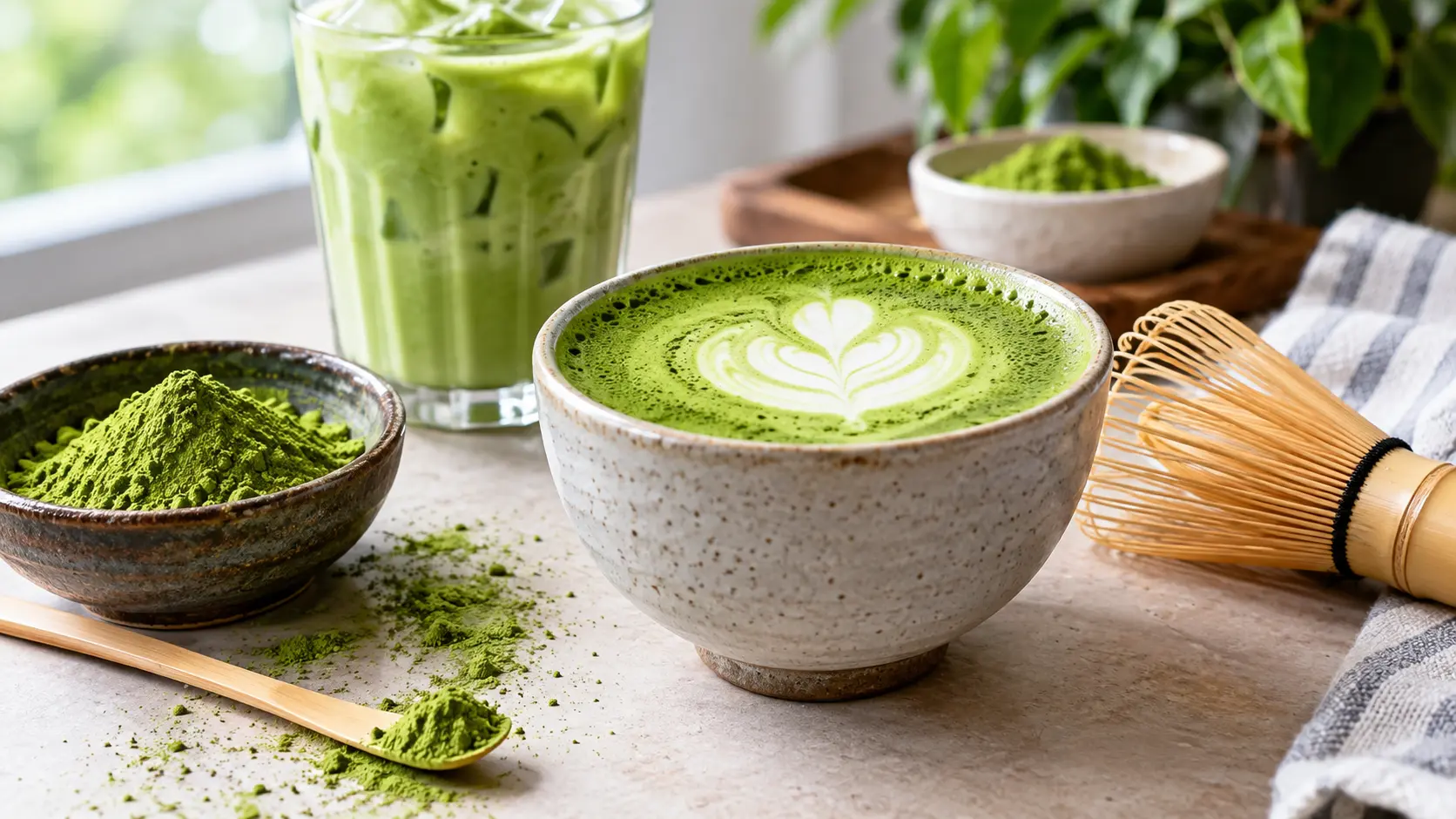

| Quick Answer To make matcha, sift 1-2 teaspoons of matcha powder into a bowl, add a splash of hot (not boiling) water, and whisk in a zigzag motion until frothy. Then add more hot water or milk to taste. Matcha is trending because it’s packed with antioxidants like EGCG, gives calm, steady energy thanks to L-theanine and caffeine working together, and photographs beautifully — which is exactly why it went viral on TikTok. |
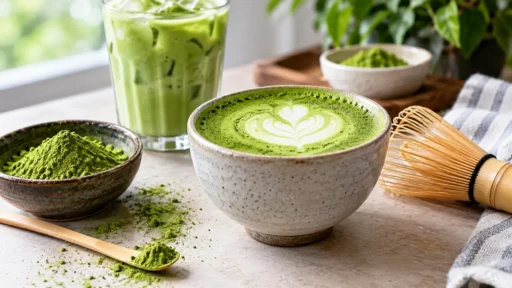
Want to learn how to make matcha at home? Making this vibrant green tea is quick and simple. Sift 1–2 teaspoons of matcha powder into a bowl, add hot (not boiling) water, and whisk in a zigzag motion until frothy. Whether you enjoy it as a warm traditional tea or an iced latte, learning how to make matcha allows you to enjoy calm, steady energy and powerful antioxidants every day.
If your social media has recently turned green, you are not alone. This bright green beverage has become one of the most popular drinks around the world, so much that some Japanese traditional tea shops had to limit the amount of matcha one can purchase. Luckily, the process of making this favorite drink at home is much easier than one might think at first glance. In this article, readers will learn the exact process to make matcha, the scientific benefits of the tea and why has it become such a popular addition to our daily routine.
What Is Matcha, Exactly?
Matcha is a finely ground powder made from specially grown and processed tea leaves. Unlike traditional green tea, in which the leaves are steeped in hot water and then discarded, matcha leaves are shaded for several weeks before harvest and then ground into a fine powder that is whisked directly into hot water. This process results in a beverage with a higher concentration of nutrients than regular green tea because the person consuming it ingests the entire leaf.
How to Make Matcha at Home (Step-by-Step)
You don’t need fancy equipment to make a good cup, though a few basic tools help. Here’s the simplest method:
1. Sift 1 to 2 teaspoons of matcha powder into a bowl or mug. Sifting matters — it breaks up clumps so your matcha doesn’t taste gritty.
2. Add about 60ml (roughly 2oz) of hot water, ideally between 70-80°C (160-175°F). Boiling water can scorch the powder and make it taste bitter.
3. Whisk briskly in a zigzag motion (not a circular one) until the surface turns frothy. A bamboo whisk works best, but a small handheld milk frother does the job too.
4. Add more hot water for a traditional tea, or pour over milk and ice for a matcha latte. Adjust the amount of powder to taste — more for a stronger, earthier cup.
That’s genuinely all it takes. The trick isn’t complicated equipment — it’s good quality powder, the right water temperature, and proper whisking.
The Real Health Benefits (What Research Actually Shows)
Matcha’s popularity isn’t purely about looks. Nutrition researchers have been studying its bioactive compounds for years, and a few benefits are backed by decent evidence.
It’s Packed With Antioxidants
Matcha is rich in catechins, particularly one called EGCG (epigallocatechin gallate). A typical 2-gram serving of matcha can contain over 100mg of EGCG — several times more than you’d get from steeping the same amount of regular green tea leaves. Antioxidants like this help the body deal with everyday cell damage from things like UV light and pollution.
It Gives Calmer, Steadier Energy
Matcha contains both caffeine and amino acids. Studies suggest that the combination of the two, and the way they affect the human physiology, contribute to a sense of focus and alertness without the jitters that are commonly associated with the consumption of coffee. Some small studies suggest that the combination of the two ingredients may contribute to increased focus and concentration in mentally taxing tasks, but additional research must be conducted in order to determine the exact extent of this effect.
It May Support Heart and Metabolic Health
Some research links regular matcha consumption to modest improvements in cholesterol levels and metabolism. As nutrition experts at Harvard have pointed out, the science isn’t fully settled, but the compounds involved are genuinely well-studied and promising, even if matcha shouldn’t be treated as a cure for anything on its own.
Why Is Matcha Suddenly Everywhere?
Three different factors have combined to create this situation. The first is TikTok, where the view of matcha in all its bright green glory looks really good on camera. The hashtag has more than eight billion views on the Chinese platform. Secondly, a booming popularity of travel to Japan as a destination contributed to the demand. Millions of tourists have discovered matcha and continued to indulge in it at home. Finally, the most recent phenomenon is extreme weather conditions in the heatwaves of Kyoto, which have reduced the tea harvest by about a quarter in recent years.
This has led to a genuine shortage of matcha – at least in the context of supply and demand. Traditional matcha producers such as Ippodo and Marukyu Koyamaen have had to restrict their sales, and prices have risen. So, if you feel that the matcha you buy at your favorite café is more expensive than before, you are not mistaken.
Tips for Buying Good Matcha
- Look for a vivid, vibrant green colour — dull or yellowish powder is usually lower quality or stale
- “Ceremonial grade” is best for drinking straight; “culinary grade” is fine for lattes, baking, or smoothies
- Store matcha in an airtight container in the fridge, away from light, and use it within a few weeks of opening
- Buy from a source that states the harvest date — fresher matcha tastes noticeably better
Key Takeaways
- Making matcha at home takes under five minutes and needs no special skills
- The health benefits centre on antioxidants (EGCG) and calm energy from caffeine plus L-theanine
- TikTok, tourism, and Japanese heatwaves have combined to create a genuine matcha shortage
- Ceremonial grade for drinking straight, culinary grade for lattes and recipes
Frequently Asked Questions
Is matcha better for you than coffee?
Matcha and coffee both contain caffeine, but matcha also contains L-theanine, which may lead to steadier energy with fewer jitters. Neither is strictly “better” — it depends on what your body responds to.
What water temperature should I use for matcha?
Use water around 70-80°C (160-175°F), well below boiling. Water that’s too hot can scorch the powder and make the matcha taste bitter.
Do I need a bamboo whisk to make matcha?
A bamboo whisk (chasen) gives the smoothest, frothiest result, but a small milk frother or even a regular whisk will work in a pinch.
How much caffeine is in matcha compared to coffee?
A typical serving of matcha contains roughly 30-70mg of caffeine, compared to about 95mg in a standard cup of coffee, though this varies by brand and serving size.
Why is matcha so expensive right now?
Heatwaves in Japan have cut tea harvests just as global demand, driven largely by TikTok, has surged, leading top producers to limit sales and raise prices.